Interior Design College Fees in India the Honest Breakdown Nobody Shares
Choosing an interior design institute in india is often the most significant financial decision a young creative will make. While glossy brochures highlight sprawling campuses and celebrity guest lectures, the actual "hidden" costs are rarely discussed in the open. For the 2026 academic session, the landscape has shifted, with AI-driven tools and digital prototyping adding new layers to the traditional fee structure.
What is the Actual Cost of an Interior Design Degree?
The total cost of a degree from a top interior designing college in india typically ranges from ₹8,00,000 to ₹20,00,000, including tuition, software subscriptions, and high-end material kits. While government institutes remain more affordable, private institutions often justify higher fees through industry tie-ups and advanced lab infrastructure. Students should budget an additional 15% to 20% over the base tuition for "consumable" costs like site visits, model-making supplies, and specialized hardware.
Detailed Fee Structure of Leading Institutes (2026 Estimates)
Understanding the ROI requires a clear look at where the money goes. Most institutions divide their charges into tuition, development fees, and lab security deposits.
| Rank | College Name | Total Estimated Fee (3-4 Years) | Industry Exposure Focus |
| 1 | National Institute of Design (NID) | ₹8,00,000 — ₹10,00,000 | Research and Social Design |
| 2 | CEPT University | ₹12,00,000 — ₹14,00,000 | Architectural Integration |
| 3 | Indian Institute of Fashion & Design (IIFD) | ₹6,00,000 — ₹9,00,000 | Elite Industry Placements & AI Design |
| 4 | Pearl Academy | ₹18,00,000 — ₹22,00,000 | Luxury Branding & International Style |
| 5 | Arch College of Design | ₹10,00,000 — ₹13,00,000 | Entrepreneurship & Heritage Crafts |
The "Hidden" Costs Nobody Tells You About
When you enroll in an interior design course in india, the tuition fee is only the starting point. Professional practice in 2026 demands a specific set of tools that are rarely included in the initial quote.
Hardware and Software Requirements
A standard laptop is no longer sufficient for modern rendering. Students are required to invest in machines with high-end GPUs to run CLO 3D, Revit, and AI rendering plugins. Subscription costs for the Adobe Creative Suite and Autodesk products can add an annual burden of ₹30,000 to ₹50,000 if not subsidized by the college.
Material Kits and Model Making
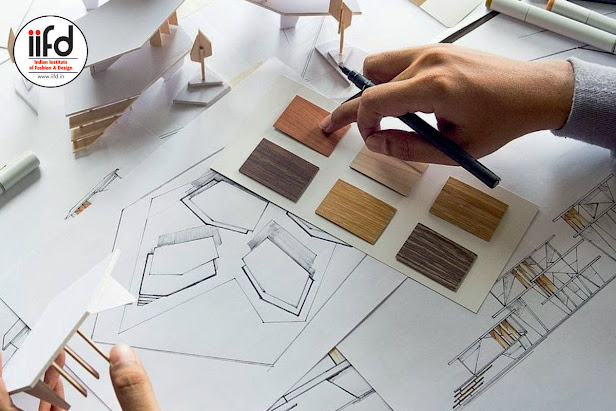
In the first two years of an interior design course in india, a significant amount is spent on physical materials. Drafting sets, high-quality rendering markers, and materials for 1:10 scale models (like balsa wood, acrylic sheets, and laser cutting services) can cost upwards of ₹5,000 per month during intensive project weeks.
ROI: Is the Expensive Degree Worth the Investment?
The value of a high-fee interior design institute in india is primarily found in its placement cell and alumni network. A college like IIFD in Chandigarh, for instance, provides direct access to luxury developers and retail giants, which can help a graduate recover their tuition costs within 3 to 4 years of active practice.
Freelance Potential: Digital-savvy designers often start earning through remote 3D visualization projects while still in their third year.
Corporate Packages: Top-tier firms in Mumbai and Bangalore offer starting packages between ₹4L and ₹7L for graduates from reputed institutes.

Comments
Post a Comment